
Introduction
Cybersecurity has become one of the most important parts of modern technology. In 2026, people spend more time online than ever before for communication, shopping, banking, gaming, education, and business. As digital activity increases, cyber threats are also becoming more advanced and dangerous.
Cybercriminals target smartphones, computers, online accounts, and business systems using malware, phishing attacks, hacking techniques, and data theft. Because of these growing risks, cybersecurity software and apps are now essential for personal users and businesses.
Modern cybersecurity tools use artificial intelligence, cloud technology, and advanced threat detection systems to protect devices and online information. Security software helps users browse safely, protect passwords, detect threats, and secure sensitive data.
This guide explains the best cybersecurity software and apps in 2026 and explores how they help users stay safe online.
What Is Cybersecurity Software?
Cybersecurity software is designed to protect devices, networks, and online accounts from digital threats.
These tools help prevent:
- Malware attacks
- Data theft
- Hacking attempts
- Online fraud
- Phishing scams
Security software is important for both individuals and businesses.
Why Cybersecurity Is Important
Cyber threats are increasing every year.
People store important information online such as:
- Banking details
- Personal photos
- Emails
- Business files
- Passwords
Without proper security, cybercriminals can steal sensitive information.
Antivirus Software
Antivirus software remains one of the most important cybersecurity tools.
Features of Antivirus Software
- Malware detection
- Virus removal
- Real-time protection
- Threat scanning
Modern antivirus programs use AI systems to identify suspicious activity quickly.
VPN Applications
VPN apps help users protect privacy while browsing the internet.
Benefits of VPN Software
- Hides IP address
- Encrypts internet traffic
- Improves online privacy
- Protects public Wi-Fi connections
VPN services are widely used for secure browsing.
Password Manager Apps
Managing passwords is difficult for many users.
Password managers help users create and store strong passwords securely.
Benefits of Password Managers
- Strong password generation
- Secure storage
- Faster login access
- Improved account protection
Using strong passwords improves online security.
AI-Powered Cybersecurity Tools
Artificial intelligence is improving cybersecurity systems in 2026.
How AI Improves Security
AI can:
- Detect unusual behavior
- Identify threats faster
- Automate security monitoring
- Prevent cyberattacks
AI security systems improve protection and response speed.
Mobile Security Apps
Smartphones are major targets for cyber threats.
Features of Mobile Security Apps
- Malware scanning
- App privacy monitoring
- Anti-theft tools
- Secure browsing
Mobile security apps help protect personal information.
Cloud Security Software
Cloud technology is widely used for business and personal storage.
Benefits of Cloud Security
- Data encryption
- Secure backups
- Access control
- Threat monitoring
Cloud security protects online files and services.
Firewall Protection
Firewalls help block unauthorized access to devices and networks.
Benefits of Firewalls
- Network protection
- Threat filtering
- Unauthorized access prevention
Businesses and home users both rely on firewall systems.
Two-Factor Authentication Apps
Two-factor authentication adds extra security to online accounts.
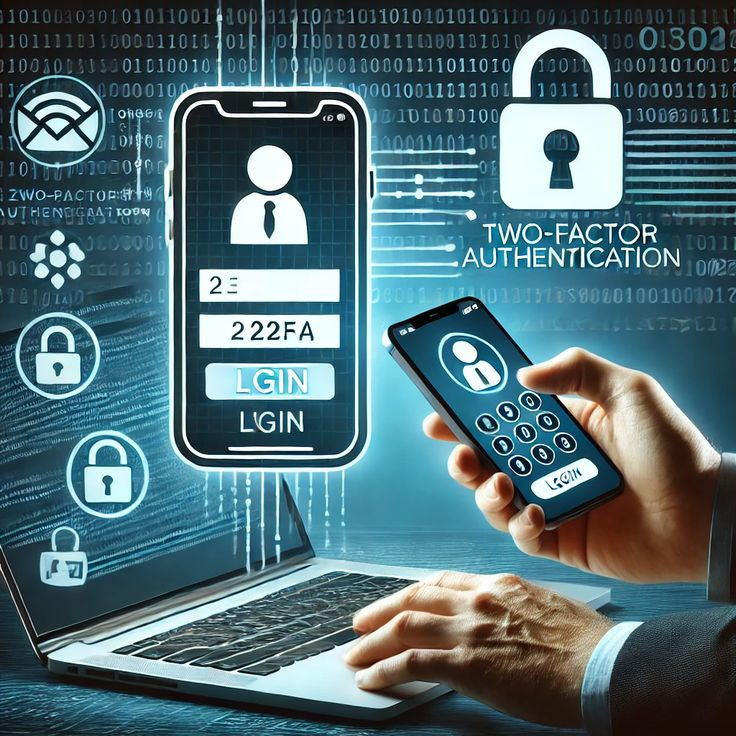
How 2FA Works
Users confirm identity using:
- Passwords
- Verification codes
- Mobile authentication apps
This reduces the risk of hacked accounts.
Email Security Software
Email attacks remain common in 2026.
Email Security Features
- Spam filtering
- Phishing detection
- Malware scanning
Security tools help users avoid dangerous emails and scams.
Browser Security Extensions
Browser security tools improve internet safety.
Common Browser Security Features
- Ad blocking
- Tracker blocking
- Phishing protection
These tools improve privacy and browsing security.
Cybersecurity for Businesses
Businesses face major cybersecurity risks.
Business Security Solutions
- Network monitoring
- Employee access control
- Data encryption
- Threat detection systems
Companies invest heavily in cybersecurity protection.
Cybersecurity for Remote Workers
Remote work has increased online security challenges.
Important Remote Work Security Tips
- Use VPN connections
- Avoid suspicious links
- Update software regularly
- Use strong passwords
Security tools help protect remote work environments.
AI Chatbots and Security Monitoring
AI chatbots are now used for security support and monitoring.
AI Security Uses
- Automated threat alerts
- Customer security support
- Real-time monitoring
AI improves security response times.
Common Cybersecurity Threats in 2026
Phishing Attacks
Hackers use fake emails and websites to steal information.
Malware
Malicious software can damage devices and steal data.
Ransomware
Cybercriminals lock files and demand payments.
Identity Theft
Hackers steal personal information for fraud.
Users should stay aware of online risks.
Practical Examples of Cybersecurity Usage
Example 1: VPN Protection
A traveler uses a VPN while connecting to public Wi-Fi at an airport.
Example 2: Password Manager Usage
A user stores strong passwords securely using a password management app.
Example 3: Antivirus Detection
Antivirus software automatically blocks a malicious file download.
Future Trends in Cybersecurity Software
More AI Security Systems
AI will continue improving threat detection and automation.
Stronger Privacy Protection
Future software will focus more on user privacy.
Better Mobile Security
Mobile protection systems will become more advanced.
Cloud Security Growth
Cloud-based security solutions will continue expanding.
Faster Threat Detection
Security systems will respond to attacks more quickly.
Tips for Staying Safe Online
Use Strong Passwords
Create unique passwords for every account.
Enable Two-Factor Authentication
Add extra protection to important accounts.
Update Software Regularly
Software updates fix security vulnerabilities.
Avoid Suspicious Links
Do not open unknown emails or attachments.
Use Trusted Security Software
Reliable cybersecurity apps provide better protection.
FAQs
What is cybersecurity software?
Cybersecurity software protects devices and online accounts from cyber threats.
Why is antivirus software important?
Antivirus software helps detect and remove malware and viruses.
What does a VPN do?
A VPN encrypts internet traffic and improves online privacy.
Why are password managers useful?
Password managers securely store and generate strong passwords.
How does AI improve cybersecurity?
AI detects threats faster and automates security monitoring.
What are phishing attacks?
Phishing attacks use fake messages or websites to steal personal information.
Is mobile security necessary in 2026?
Yes, smartphones are common targets for cybercriminals.
What is the future of cybersecurity?
Future cybersecurity systems will use more AI, automation, and advanced threat detection.
Conclusion
Cybersecurity software and apps are more important than ever in 2026. As online activity continues growing, cyber threats are becoming more advanced and dangerous for both individuals and businesses.
Modern cybersecurity tools use artificial intelligence, cloud technology, antivirus systems, VPN services, and advanced monitoring to protect devices and personal information. Users now rely heavily on security software for safe browsing, secure communication, and online privacy.
As technology evolves, cybersecurity systems will continue becoming smarter and more powerful. Understanding modern security trends and using trusted cybersecurity tools helps users stay protected in the digital world.